
Bereichsnavigation
Sound Spaces

Music and freedom
Music seems to be free - it sounds, touches and disappears. But it almost always moves within a network of culturally moulded and historically evolved rules. From pop songs to symphonies, we follow musical patterns that are constantly changing but never disappear. Music often comes alive where rules are surprisingly changed or artfully broken.
Perhaps it is improvisation that escapes the corset of convention most impressively. It is created in the now and is always unrepeatable and unique. In the music of the Baroque and Viennese Classical periods, improvisation was a natural part of the performance, but within clear stylistic boundaries. On the harpsichord, melody lines were played over a basso continuo, vocal parts and ensemble added their own ornaments and soloists were expected to spontaneously invent cadenzas. The musical freedom here lies in how imaginatively and virtuosically performers vary and intensify the composition: A baroque organist unfolding a chorale or a classical pianist expressing herself in a cadenza still ultimately serve the score and its overall form. Over time, however, the freedom of interpretation has given way to a growing loyalty to the work. Today, classically trained musicians excel at sight-reading - but free improvisation has become rare.
In jazz and in many non-classical traditions, musical freedom is much more prominent. The written material - a theme, a riff, a chord progression - is more of a sketch than a finished picture, and the identity of musicians is defined primarily through improvisation. There are conventions in jazz too, but the emphasis shifts to personal invention and live interaction rather than fidelity to a fixed text.
The theme of music and freedom also has a social aspect: music can make attitudes audible, strengthen resistance and give hope. In its diversity, it reflects a pluralistic society in which freedom is constantly being renegotiated on a cultural, social and political level. This concert series invites you to question listening habits, cross boundaries and allow new things to happen. Perhaps freedom begins with an open ear for the unfamiliar.
Dates
Sunday, 31 May 2026, 2 pm
Ciaconna and the Freedom of Variation
Capella de la Torre
Sunday, 28 June 2026
From Oud to Lute - من العود الى اللوت -
The Journey of the Strings – from Baghdad via Andalusia to Berlin
AMI Berlin Ensemble & Tres Morillas
Thursday, 3 September 2026, 6 pm
Playing with the Text
Experimenting with musical interpretation through one’s own freedom
Science Talk with Jo Wilhelm Siebert
Sunday, 11 October 2026, 2 pm
A Prima Vista
Leila Schayegh, violin
Martin Zimmermann, piano
Sunday, 15 November 2026, 2 pm
“I Can’t Keep Quiet”
Music and Resistance
Performances by lecturers and students from the Rostock University of Music
and Drama Moderator: Gabriele Groll
Further links
Next event
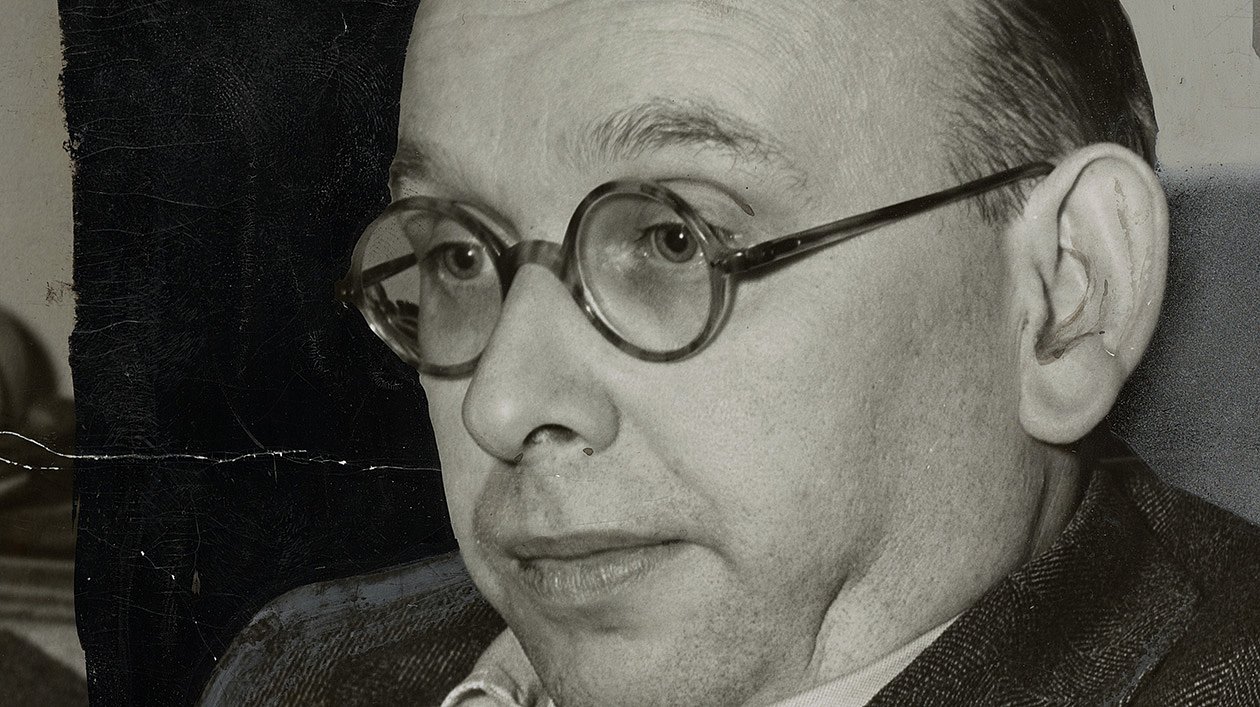
Sound Spaces: "I Can’t Keep Quiet"
15.11.2026, Musikinstrumenten-Museum, 2 p.m.
Music and Resistance. Performers: Karola Theill (piano), Martin Rieck (tenor), Antonio Cicala (piano) and Lora Vangelova (soprano). Presenter: Gabriele Groll