

Bereichsnavigation
The Material, the Artistic, and the Social
Ensemble rehearsals in and around Berlin and London, 1813-1869
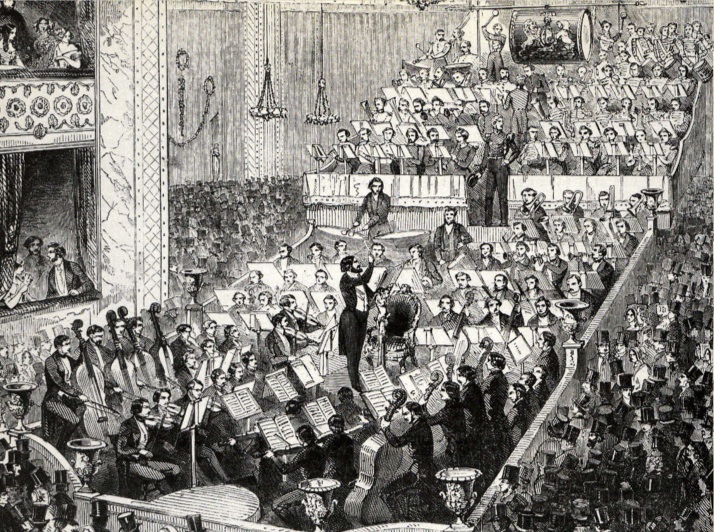
Musicological research has long recognised a significant gap between contemporary music performance and 19th century music performance. An important reason for this problem is that the increasing complexity of 19th-century music led to the emergence of complex rehearsal strategies and that these practices, which were influenced by organisational, social and musical factors, have remained largely unexplored. Understanding the historical contexts of these rehearsals, known as pre-performance practices, will shed light on 19th-century orchestral practices and help to understand the gap between historical data and practical realisation. The aim of this project is to shed light on the pre-performance practices of the Philharmonic Society in London and the Royal Prussian Court Chapel and its associated ensembles by examining the material, artistic and social aspects of pre-performance practices. The dual focus on these ensembles is likely to be particularly effective due to their roughly equal importance, their common personnel, including Mendelssohn, Spohr and Meyerbeer, and the highly contrasting material, artistic and social circumstances in which they operated. The material, artistic and social elements of these pre-performance practices were clearly interdependent: A change in the material circumstances of the ensemble might, for example, necessitate a change in the musicians that made up the orchestra, thereby bringing about different artistic goals. The study of these elements is therefore likely to reveal not only new historical approaches to and rehearsal of the orchestral repertoire, but also how and why these emerged. The focus of this project is on the period from 1813 to 1869, an era that was crucial to the development of orchestral rehearsal practices and during which the material, artistic and social elements of both ensembles' pre-performance practices evolved significantly. These can be traced through a wealth of printed and archival sources. By providing greater insight into this neglected aspect of performance practice, the outcome of this project will be a means of bridging the gap between historical data and current performance practice.